Artists / Selling & Storefronts
How to Make Merch From Your Art Without Buying Stock
Five decisions that turn a finished piece into merch people want: which designs, print-ready files, how it gets made, how to price it, and how to launch it.

In short: Here is how to make merch from your art: pick a few pieces your audience already likes, prepare each one as a print-ready file sized for the product, choose how it will be produced (a bulk run you stock yourself, or made to order), set a price that pays you on every piece, and launch with a short, planned announcement. Made-to-order lets you skip buying stock entirely.
Band merch and brand merch carry a logo. Artist merch is different: the art itself is the product, so the object has to do the work justice. This guide walks through the five decisions that turn a finished piece into something people can wear or hang, and the mistakes that sink most first runs.
What counts as artist merch?
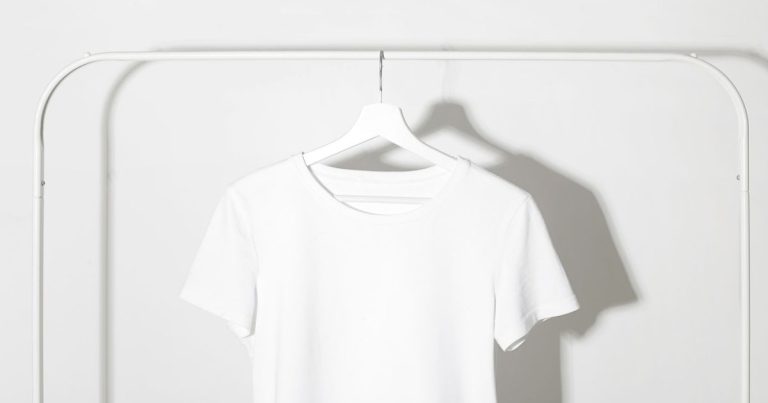
Anything that carries your artwork and can be sold: t-shirts, canvas and paper prints, stickers, tote bags, mugs, pins. T-shirts and prints are the usual starting points, because they show a piece at a useful size and almost everyone already owns and uses them. Start with one or two products done well rather than ten done quickly.
Step 1: Which designs should you turn into merch?
Begin with pieces that have already earned a reaction: the post people saved, the painting someone asked about twice, the sketch that keeps getting shared. Three to five designs is plenty for a first launch. Fewer designs make each one easier to talk about, and they tell you more clearly which one people actually want.
Ask of each candidate: does it still read from across a room, at the size it will be printed? A detailed piece that works at full size on a wall can turn to mush on a chest. Most first shirts fail at the file stage, before anything is printed.
Step 2: How do you prepare a print-ready file?
- Design for the print area, not your canvas. A shirt’s printable area is smaller and stranger than a blank page: start with the design area.
- Check color on fabric, not just on screen. Pale tones and fine gradients behave differently on cotton: color choices that survive fabric.
- Convert paintings carefully. Capture, crop and clean the image before it goes near a garment: how to turn a painting into a t-shirt design.
- Make honest mockups. Show the real scale and placement so buyers are not surprised: how to make honest mockups.
Each production route lists its own file requirements, so check them before you export the final file.
Step 3: How will your merch get made?
This is the decision that sets your costs and your risk. There are three broad routes.
| Route | Up-front cost | Who stores and ships it | Who sets the price | Best for |
|---|---|---|---|---|
| Bulk run (often screen printed) | You pay for the whole run before selling, usually with a minimum order per design | You, or a service you pay | You | Proven designs, events and a ready audience |
| Print-on-demand with your own store | None per design, though store software may charge a subscription | The print partner | You, above the partner’s base cost | Artists who will bring all of their own traffic |
| Made-to-order marketplace or gallery | None | The platform | Depends on the platform’s rules | Testing designs, and reaching shoppers who are already browsing |
The printing method matters too. Screen printing and DTG reward different designs, and the difference shows in your colors, detail and run size.
On HollaJack, every piece is made to order, so there is no stock to buy and no minimum. You set your art price, every sale takes the next number in the run, and the price steps up with each edition sold. For how the main made-to-order platforms compare, see HollaJack vs Redbubble, TeePublic and Threadless.
Step 4: How should you price artist merch?
Price for the hundredth sale, not just the first. A price that feels safe at launch can feel like underselling yourself six months later, and raising it later is harder than starting right. Three lenses help: what the piece costs to make, what similar work sells for, and what demand tells you over time. The full method is in how to price art prints and apparel.
On HollaJack the arithmetic is published: HollaJack keeps a flat $18.00 per tee and everything above that is split evenly with you, so every dollar you add to your art price adds fifty cents to what you earn on each tee. The earnings calculator lets you try your own numbers.
Step 5: How do you launch merch so people actually see it?
A quiet launch is the most common way good merch fails. Plan it like a small event: tell people it is coming, show the work being made, then post the link on launch day and remind them once or twice after. The 14-day launch checklist lays it out day by day, and writing the caption before you design the shirt keeps the story clear.
You do not need fake urgency. A price that rises only when a real person buys gives early buyers an honest reason to act: reading demand without a countdown timer.
What mistakes should you avoid?
- Launching too many designs at once. Attention splits, and you learn less about what works.
- Mockups that flatter. A buyer who is surprised by scale or color is a return waiting to happen.
- Pricing only for the first sale. Leave room for your work to be worth more as your audience grows.
- Buying stock before you know what sells. Test with made-to-order first, then consider a bulk run for a proven design.
Frequently asked questions
How many designs should a first merch launch have?
Three to five is a good range. It is enough to give people a choice, and few enough that each design gets its own moment.
Do I need to buy inventory to sell merch?
No. With print-on-demand or a made-to-order platform, each piece is produced after someone buys it. On HollaJack there is no inventory and no upfront cost.
Can I turn a painting into merch?
Yes, as long as the image is captured well and adapted to the product’s print area. Start with how to turn a painting into a t-shirt design.
Want to sell your art as numbered-edition tees with no stock to buy? Become a HollaJack artist.