Artists / Selling & Storefronts
How to Make Money as an Artist Without Holding Inventory
The main ways artists make money, which ones need no money up front, whether passive income is real, and the arithmetic for selling your art on made-to-order t-shirts.

In short: The usual answer to how to make money as an artist is several small streams rather than one: commissions, original work, prints, apparel, teaching and licensing. The streams that need no inventory, such as made-to-order prints and t-shirts, are the easiest to start, because a piece is only produced after someone pays for it. None of them is truly passive. Each still needs you to make good work and tell people it exists.
“How do I make money as an artist?” usually hides two questions. The first is which ways of earning exist. The second is which of those fit the time, money and audience you have right now. This guide answers both, compares the common routes side by side, and shows the arithmetic for one of them: selling your art on made-to-order t-shirts.
What are the main ways artists make money?
Most income for visual artists comes through a handful of routes. They differ in how much you spend before you earn, how much of each sale you keep, and how much of your week they take.
| Route | Money up front | Who finds the buyer | How you earn | Best for |
|---|---|---|---|---|
| Commissions | None | Mostly you, through word of mouth and social media | A fee agreed per piece | Artists with a recognizable style and patience for client feedback |
| Original work | Materials and time | You, galleries or fairs | The sale price, minus any gallery commission | Painters and makers with a body of finished work |
| Prints and merch you stock yourself | Printing a batch in advance | You | The price minus your printing and shipping costs | Artists with a proven design and room to store stock |
| Made-to-order prints and apparel | None | You, plus the platform’s own shoppers | A set amount or a share of each sale | Artists who want to test designs without buying stock |
| Teaching and workshops | Little | You | A fee per student or session | Artists who enjoy explaining their process |
| Licensing | None | Agents, brands or you | A fee or royalty per use | Artists with a large, consistent catalog |
Which ways need no money up front?
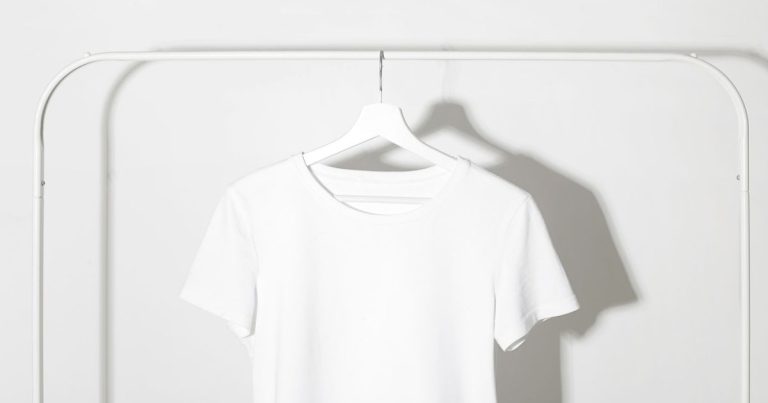
Commissions, made-to-order products and licensing can all start with nothing but finished files and a portfolio. Made-to-order is the most forgiving of the three, because you do not need a client to say yes first. You publish a design, and production only happens when somebody buys it. The cost of a design that does not sell is your time, not a box of unsold shirts.
Printing your own batch can pay more per piece, but it turns every design into a bet. While you are still learning which designs your audience wants, made-to-order lets you find out before you spend. The guide to selling your art on t-shirts without inventory compares the three main ways to do it.
Is there such a thing as passive income for artists?
Not really, and it is worth being honest with yourself about that. A made-to-order shop keeps selling while you sleep, which is the part people mean by passive. But a listing nobody sees does not sell. Every route above still depends on two kinds of active work: making pieces people want, and telling people they exist. What made-to-order removes is the logistics of printing, packing, shipping and storing stock, which frees time for the parts only you can do.
A more realistic goal is low-maintenance income: a catalog of designs that keeps earning between launches, supported by a steady habit of posting and a short list of people who want to hear about new work. You need a marketing habit more than a marketing budget.
How much can you make selling your art on t-shirts?
It depends on the platform’s formula, your price and how many pieces sell. On HollaJack the formula is public. A tee’s price is the garment price plus your art price. HollaJack keeps a flat $18.00 per tee, and everything above that is split evenly between you and HollaJack. Your art price also steps up with every edition sold, so each later piece pays a little more than the one before.
With the defaults (a $21.00 Unisex garment, a $2.00 starting art price and a $0.10 step per edition), the arithmetic looks like this:
| Edition | Tee price | You earn on that tee | Your total so far |
|---|---|---|---|
| N° 001 | $23.00 | $2.50 | $2.50 |
| N° 025 | $25.40 | $3.70 | $77.50 |
| N° 100 | $32.90 | $7.45 | $497.50 |
These rows are arithmetic from the formula, not a forecast. HollaJack is new, and no run has reached those numbers yet. Every dollar you add to your starting art price adds fifty cents to your earnings on every tee, which is why that first price deserves some thought. See how to set a price you won’t regret in six months and the full formula and calculator.
How do you choose where to start?
- If you have no audience yet, start where shoppers already browse, such as a large marketplace, and use it to learn which designs get attention.
- If you have a small, loyal audience, sell somewhere that pays you more per piece and gives each piece more weight, then send your people there. A numbered edition gives early buyers a reason to act now rather than later: here is what a numbered edition buys your collector.
- If you already sell originals or commissions, add a lower-priced format, such as a tee or a canvas print of a popular piece, so people who cannot afford the original can still own your work.
Most artists end up combining two or three routes. The comparison of HollaJack, Redbubble, TeePublic and Threadless shows how the made-to-order options differ on price control and payouts.
What can you do this week?
- Pick three finished pieces that people have already responded to.
- Check that each one works at shirt scale: start with the design area, not the canvas.
- Choose one made-to-order route and list those three pieces.
- Tell the people who already follow you, with one post per piece and a link that goes straight to it.
Then watch which design moves first. That is the cheapest market research you will ever do.
Frequently asked questions
Can you make a living as an artist?
Some artists do, usually by combining several of the routes above over years rather than relying on one. Treat each new stream as an experiment you can measure, not a promise.
Do I pay anything to sell my art on HollaJack?
No. There is no inventory and no upfront cost. Pieces are made to order after they sell, and you keep the rights to your artwork.
Is selling on t-shirts worth it for a painter?
It can be, if the painting survives the move to fabric. The guide on turning a painting into a t-shirt design covers capture, cropping and color.
Ready to try it? Become a HollaJack artist.