Your Bio Is a Landing Page. Treat It Like One.
Most bios describe the artist. The better ones tell a stranger what you make, why it matters and what to do next.
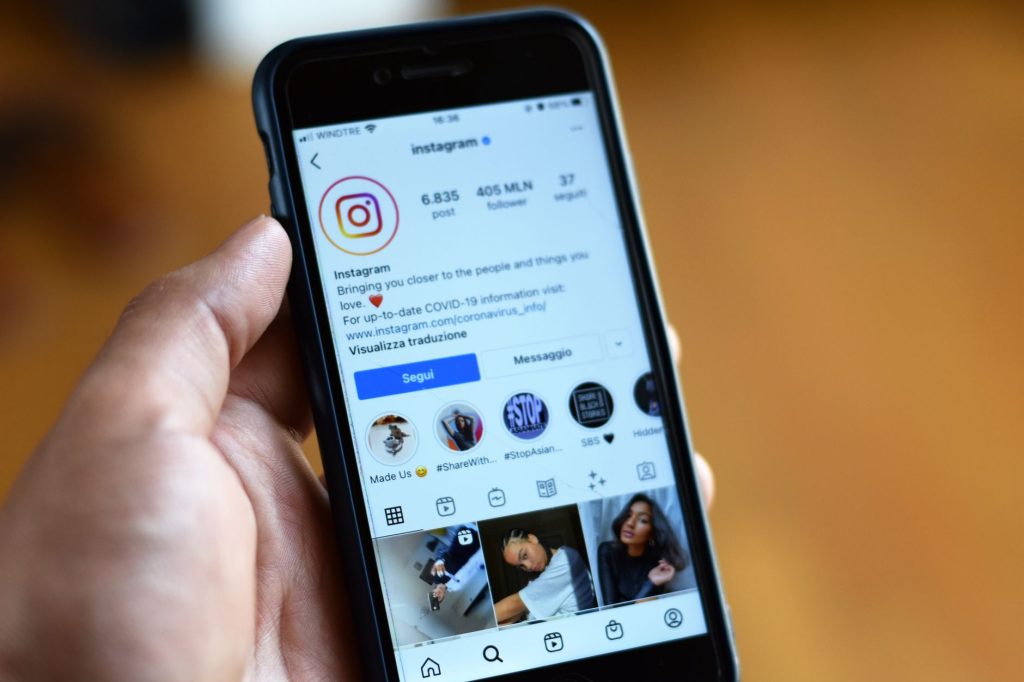
In short: A good Instagram bio for artists works like a small landing page: it tells a stranger what you make, why it is worth a closer look and what to tap next. Lead with the work, not adjectives about yourself, and point the link at one place that keeps the bio’s promise. Then reread it on purpose every few months, because a bio written for your first drop rarely fits your twentieth.
A social media bio gets a few seconds of attention from someone who doesn’t know you yet. It’s often the only piece of writing standing between that person and a sale, or a scroll straight past. Most artist bios spend that brief window describing the artist (“artist, dreamer, coffee addict”) instead of telling the stranger what they’ll actually find if they stay a little longer.
This guide covers what each line should do, what your link in bio should open and how to keep it current. The examples use Instagram, but the same thinking applies to TikTok, Threads and any profile with a few short lines and one link.
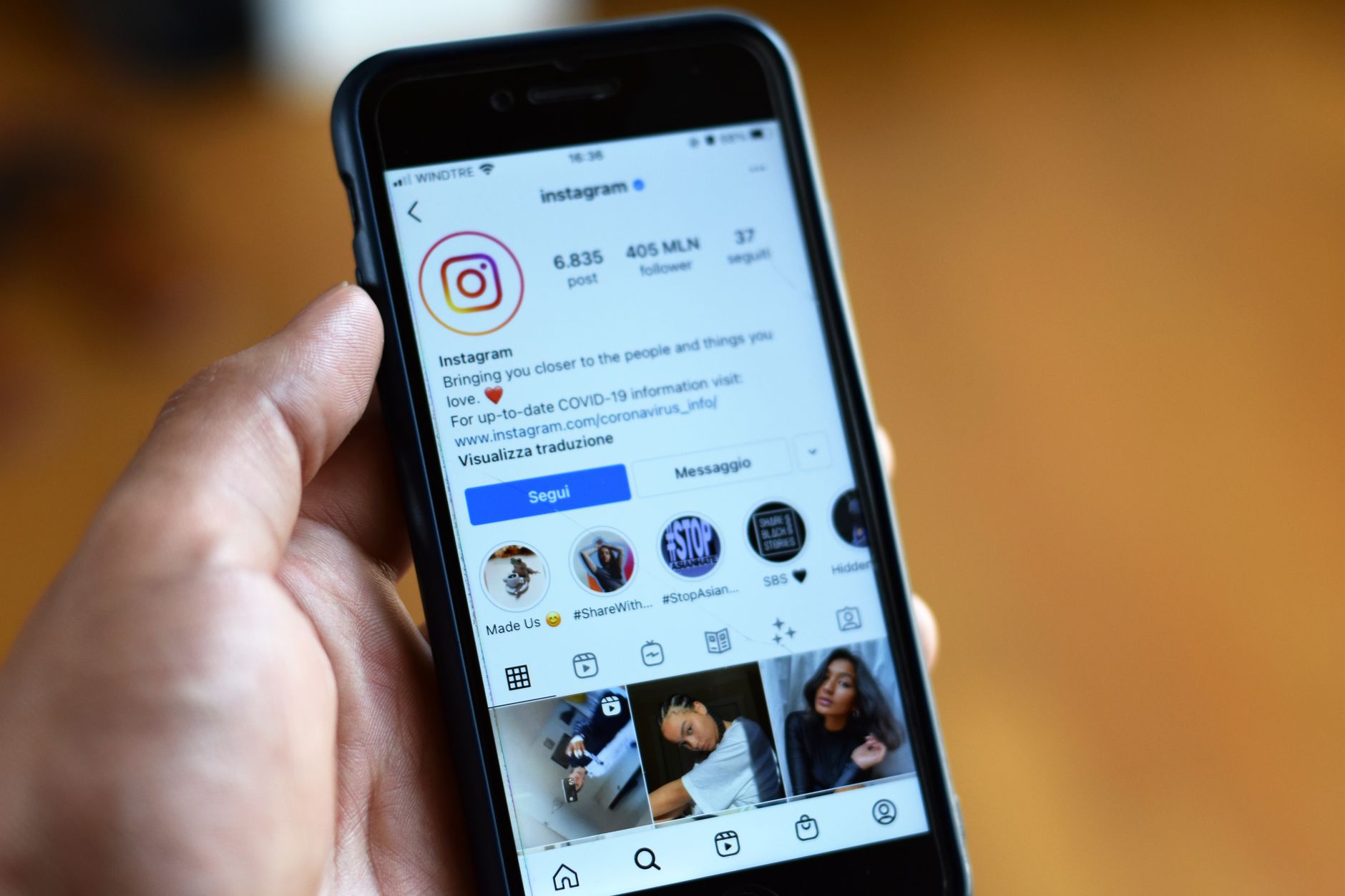
What should an Instagram bio for artists actually say?
A stronger bio answers three questions quickly: what do you make, why should someone care, and what should they do right now. That doesn’t require poetry or clever wordplay. “Numbered-edition art prints and tees, new run drops most weeks” tells a stranger exactly what they’re looking at and gives them a concrete reason to check the link, in less space than most bios spend on adjectives about the person behind the account.
Think of the bio less as self-expression and more as a landing page with a strict word limit. A landing page that only told the company’s founding story, with no mention of what it sells, would be considered a failure. The same standard applies here. Your personality still belongs in the bio, it just comes after the essentials instead of in place of them.
A bio is a landing page with a strict word limit.
How do you write each line of the bio?
Three short lines are usually enough. Give each one a single job.
- Line one: what you make. Name the subject and medium in plain words. “Botanical linework on tees and canvas” beats “visual storyteller”, because a stranger can picture it.
- Line two: why it is worth caring about. Give a reason that is about the viewer: how the work is made or what owning a piece means. For numbered editions, that might be that every piece carries its own number and a record of who owns it.
- Line three: what to do now. One instruction that points at the link, such as “New run below” or “Current drop at the link”. If you list three actions, most people take none of them.
Read the draft as if you had never heard of yourself. The table shows the same bio before and after that test.
| Bio element | Weaker version | Stronger version | Why it works better |
|---|---|---|---|
| What you make | “Artist. Dreamer. Coffee addict.” | “Retro sci-fi illustration on tees and canvas” | A stranger knows what they are looking at in one read |
| Why it matters | “Making art since forever” | “Numbered editions, each piece recorded to its owner” | Gives a reason that is about the buyer, not the artist |
| Next step | Nothing, or “DM for inquiries” | “New run most weeks, link below” | One clear action, tied to the link |
| The link | A homepage with everything you have ever made | The current drop, or a short link page that leads with it | The tap lands where the bio said it would |
| Personality | Inside jokes only current followers get | One small human detail after the essentials | Warmth stays, but it no longer hides the offer |
What should go in your link in bio?
The link is where the bio pays off or falls flat, so the page it opens should match what the bio just promised. If the bio says “new run below”, the tap should land on that run, not on a homepage the visitor has to dig through. Ask whether a stranger would know exactly what to expect if they tapped the link, and whether the page delivers it in the first screen.
You have three common options:
- A direct link to one drop or product. Best when one thing matters most right now.
- A link-in-bio page with a few buttons. Useful when you have a shop, a newsletter and a commission form. Put the current drop first and keep the list short.
- Your shop’s main page. Fine when it opens on your newest work, weak when it opens on a grid of everything.
You can also link a hashtag or another account inside the bio by typing # or @, according to Instagram’s own announcement of the feature. The same announcement notes that someone you mention is notified and can remove the link, so tag collaborators who expect it.
How often should you update your Instagram bio?
Update it when it goes stale, rather than leaving it untouched indefinitely. A bio written when you had one drop under your belt reads differently, and often worse (more tentative), once you have twenty runs behind you. Revisit it the way you’d revisit an artist statement for your shop: not constantly, not after every post, but on purpose, every so often, rather than simply never.
When you do, run through three questions:
- Does it still describe what you’re actually making right now, not six months ago?
- Does it give a clear next step, not just a vague sense of who you are?
- Does the link still open the page the bio describes?
A new medium, product type or name is a good moment for a check. If you are still settling on a studio name, picking a studio name you won’t regret covers that decision before it lands in your handle.
What mistakes make an artist bio harder to act on?
Most weak bios fail in the same few ways.
- Labels instead of work. “Creative” describes millions of accounts. Name your subject and medium.
- A list of every platform you use. Point to one place instead.
- An expired promise. “Drop this Friday” from three months ago tells visitors the account is not looked after.
- Too many calls to action. Shop, follow, subscribe and commission all at once reads as noise.
Rewriting three lines takes a few minutes, and every visitor reads them before anything else.
Frequently asked questions
What should an artist put in their Instagram bio?
Say what you make in plain words, give one reason a stranger should care, and end with a single next step that points to your link. Personality can follow, but it should not replace those three things.
Should my link in bio go to a link page or straight to my shop?
Link straight to your current drop when one thing matters most. Use a short link page when you genuinely have several destinations, and put the current drop at the top.
How often should an artist update their bio?
Check it whenever your work, products or drop schedule change, and reread it on purpose every few months otherwise. Remove any dated promise as soon as it passes.
Does the same advice work for TikTok and other platforms?
Yes. Any profile with a few short lines and one link has the same job: say what you make, why it matters and where to go next.
A clear bio only helps if the link leads somewhere worth landing. If you want that link to open on numbered editions of your own work, made to order with no inventory to hold, see how selling on HollaJack works for artists.