T-Shirt Fabric Weight Explained: How to Judge Feel Before You Buy
What gsm and ounces per square yard mean, how to convert them, and how to judge the feel of a tee you cannot touch before you order.
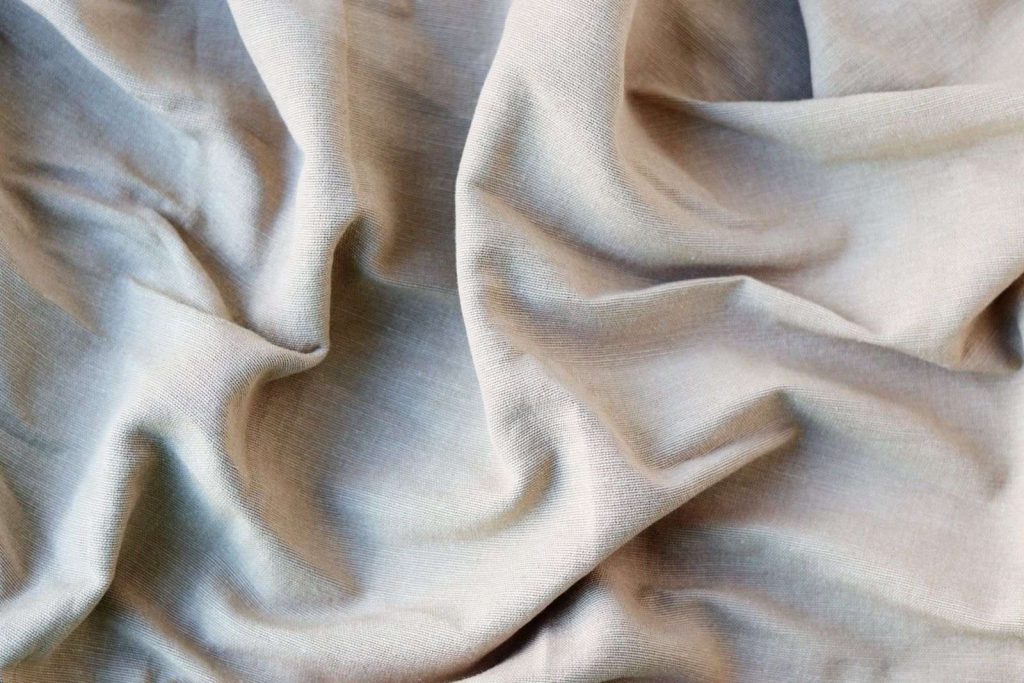
In short: T-shirt fabric weight, explained in one line: it is how much a fixed area of the fabric weighs, listed as gsm (grams per square meter) or ounces per square yard. A higher number usually means thicker, more opaque fabric, and a lower one a lighter, drapier fabric. Multiply ounces by about 34 for gsm, then compare with a tee you already know.
Two white tees can list the same weight and feel nothing alike. One drapes, the other stands off the body. One is soft on the first wear, the other takes a few washes. The number on the listing is a real clue, but it is only one clue.
This post explains what t-shirt fabric weight measures and how to convert between the two common units. It then covers what a heavier or lighter fabric changes, what else shapes the feel, and how to judge a shirt you cannot touch. It is general education, and it states nothing about the weight or fabric of any HollaJack garment.
What does t-shirt fabric weight actually measure?
It measures the fabric, not the finished shirt. A listing that says 150 gsm is telling you that one square meter of that fabric weighs 150 grams. A large shirt and a small shirt cut from the same fabric have the same fabric weight, even though the large one weighs more on a scale.
That is why the number is useful for comparison. It describes the material before size gets involved. It does not describe the cut, the fit or how the shirt is finished, so treat it as one input and not a verdict.
One common mistake is comparing a fabric weight with an item weight. Some listings give a shipping weight or item weight for the finished shirt, often in ounces. That figure changes with the size and includes every seam, so it cannot be set against a gsm number or another shop’s fabric weight. If a listing shows ounces with no area unit, check whether the figure sits under fabric details or shipping details before you compare it.
How do you convert between gsm and ounces?
Two units are common. Many sellers use gsm, and many US sellers use ounces per square yard (oz/yd²). To go from ounces to gsm, multiply by about 34. To go from gsm to ounces, divide by about 34. The exact factor comes from the NIST guide to SI conversion factors: one ounce per square yard is 0.03390575 kilograms per square meter, or about 33.9 gsm.
- A fabric listed at 5 oz/yd² is about 170 gsm.
- A fabric listed at 150 gsm is about 4.4 oz/yd².
- A fabric listed at 6 oz/yd² is about 203 gsm.
- A fabric listed at 180 gsm is about 5.3 oz/yd².
Convert before you compare. A 5 oz listing and a 170 gsm listing describe the same weight, even though the numbers look nothing alike.
What does a heavier or lighter fabric tend to change?
Weight shapes four things you notice quickly.
- Drape. Lighter fabric tends to hang closer to the body and move more. Heavier fabric tends to hold its own shape.
- Opacity. Lighter fabric, especially in white and pale colors, can show more of what is underneath it. Heavier fabric tends to be more opaque.
- Warmth. Heavier fabric tends to feel warmer and takes longer to dry.
- First impression. A heavier fabric can feel stiffer when new and soften with washing. A lighter fabric can feel soft straight away.
None of this is a ranking. A light tee suits warm days and layering. A heavy one suits a structured look. The right weight is the one that matches how you plan to wear the shirt.
What else shapes how a tee feels?
Weight is one factor among several. The table lists the others and where they usually appear in a listing. Fiber is the easiest to confirm, because the FTC’s textile labeling rules require most textile products to carry a label listing each fiber by its generic name and its percentage by weight.
| Factor | What it changes | Where to find it | What to ask |
|---|---|---|---|
| Fabric weight | Drape, opacity, warmth | Specifications or description, in gsm or oz/yd² | Is it listed as fabric weight, and in which unit? |
| Fiber | Softness, breathability, how it behaves in the wash | The fabric content line, such as all cotton or a blend | What is the blend, and does it shrink? |
| Yarn | Smoothness and softness of the surface | Descriptions such as combed or ring-spun | How is the yarn made? |
| Knit and finish | Texture, stretch and how it feels when new | Words such as jersey, garment-washed or pre-shrunk | Has it been washed or pre-shrunk before sale? |
| Cut | How the same fabric hangs on the body | Size chart and fit notes | Is the cut relaxed, boxy or fitted? |
How do you judge feel from a product page?
You cannot touch the fabric, so build a reference. Follow these steps.
- Pick your best tee. Choose the shirt you reach for most often.
- Look up its listing. If you cannot find the weight, check the brand’s own product page or a shop that still sells it.
- Write down the weight and the fabric. That pair of numbers and words is your reference.
- Compare in one unit. Convert, then see whether the new listing is lighter, similar or heavier.
- Read beyond adjectives. The word soft means little without a fabric and a weight to back it up.
- Look at the photos. Real photographs of a worn or hanging shirt show drape better than a flat mockup.
Say your reference is a 5 oz shirt that you love. A listing near that weight in a similar fabric is a reasonable bet, and one far away in either direction will feel like a different shirt.
What if the listing gives no weight?
Ask. A seller who knows the product can usually tell you the fabric and weight in a sentence. If they cannot, treat that as information.
This post gives no weight or fabric for HollaJack garments. Use what the product page says, and if it does not say enough, write to [email protected] before you order. Returns need the piece unused and in its original packaging, so judge fit and feel on paper first. The policies page has the full terms, and the FAQ answers common questions.
Size matters as much as weight, especially for a gift, and the guide to choosing a t-shirt size online shows how to measure. Once you know what you want, the shop lists the current designs. The numbered edition guide explains how a numbered tee works.
Frequently asked questions
What does fabric weight mean on a t-shirt?
It is the weight of a set area of the fabric the shirt is cut from, usually given in gsm or ounces per square yard. It tells you about thickness and drape, not about the weight of the finished shirt.
Is a heavier t-shirt better?
Not in itself. Heavier fabric tends to be more opaque and structured, and lighter fabric tends to drape and breathe. The better shirt is the one that suits how you wear it.
How do you convert gsm to ounces per square yard?
Divide the gsm figure by about 34. For example, 170 gsm is about 5 oz/yd². To go the other way, multiply ounces by about 34.
Does a higher gsm mean a higher quality t-shirt?
No. Weight describes how much fabric there is, not how well it is made. Fiber, yarn, knit and finish matter as well, so compare them alongside the number.