
Branding & Identity
Picking a Studio Name You Won’t Regret in a Year
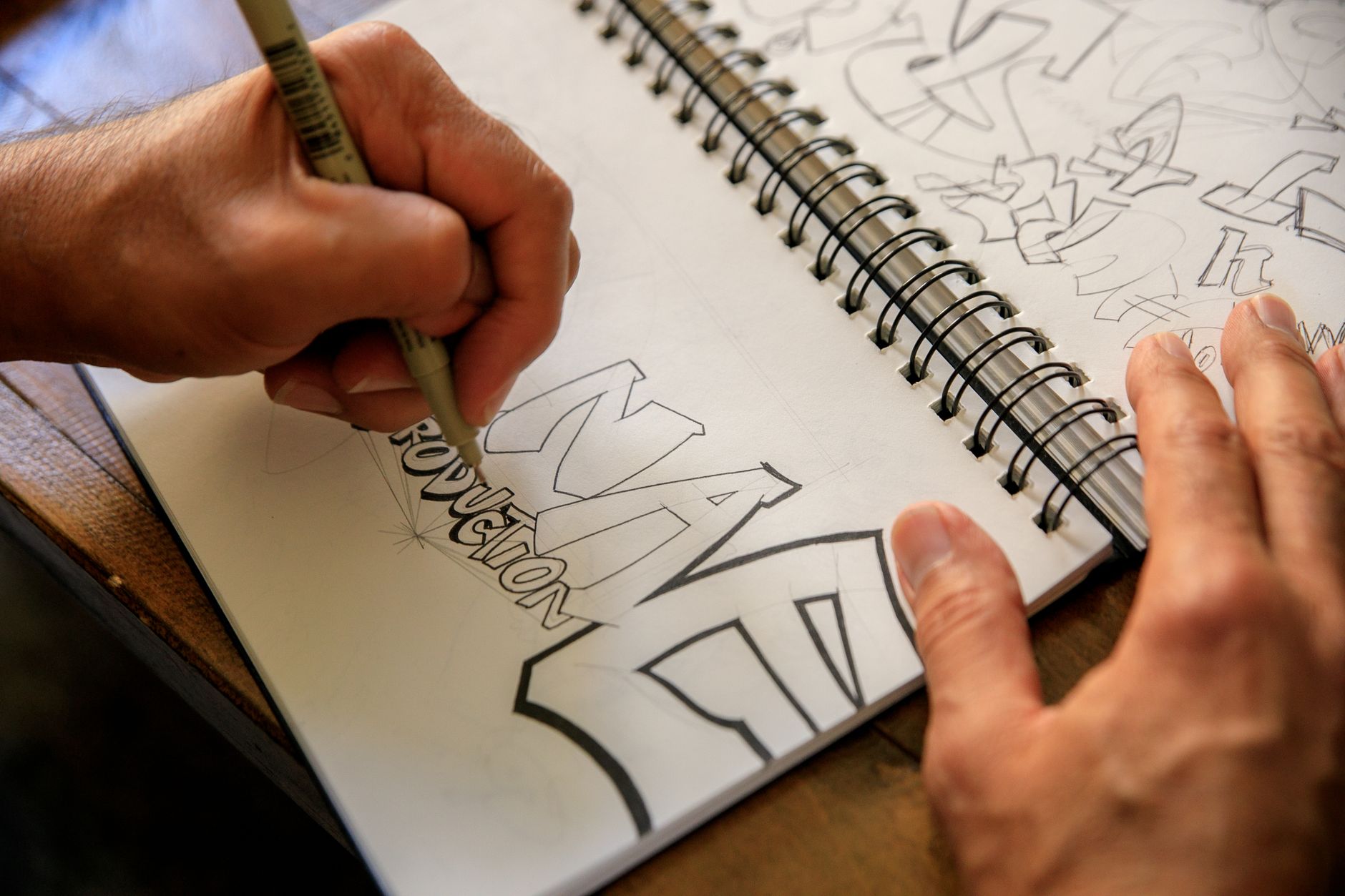
A studio or shop name picked in a single afternoon has a way of outliving the mood that produced it. Names that reference one specific style, one city, or one inside joke can start to feel like a cage a year or two later, once the work has quietly moved somewhere the original name never anticipated or accounted for.
Ask what the name would mean if you changed direction
Before settling on a name, ask what it would mean if your work changed direction entirely, a different medium, a different tone, a different audience than the one you’re picturing right now. A name built tightly around a specific aesthetic, something like “Neon Skulls Co.,” locks you into that aesthetic in a way a more open name simply doesn’t. That’s not always the wrong choice, if you’re genuinely certain that’s the lane you want to stay in permanently, it can even be a strength. But it’s worth being a deliberate decision rather than an accident of whatever felt catchy on the day you registered the account.
A name is a container. Make sure it’s big enough for where the work might actually go.
Say it out loud, more than once
It’s also worth saying the name out loud, more than once, to more than just yourself in your own head. Names that read perfectly fine on a screen sometimes reveal themselves as awkward, hard to pronounce, or accidentally close to something else entirely the moment another person has to say it back to you in conversation.
- Does it still make sense if your work shifts medium or tone over the next few years?
- Does it sound natural spoken aloud, not just typed in a bio?
- Would you be comfortable with it on an invoice, a gallery wall, and a business card, not just a social handle?
None of this means the decision has to be slow or agonized over for months. It means giving it slightly more scrutiny than an afternoon’s first instinct, since, unlike most decisions you’ll make about a single piece, this is the one choice that ends up attached to every piece you ever make under it.